Is your ideal day a short commute, ocean air, and dinner on Main Street after a sunset walk on the sand? If you are weighing a move to Santa Monica, you are not alone. The city blends coastal living with real access to jobs, schools, and culture on LA’s Westside. In this guide, you will learn what homes cost, which neighborhoods fit different lifestyles, how commuting really works, and the key city rules to know before you buy. Let’s dive in.
Why Santa Monica fits the Westside lifestyle
You get true coastal living with an urban core. Many blocks are highly walkable and bike-friendly, and there is rail and bus service for trips across the Westside. The median travel time to work for residents is about 25.8 minutes, which sets a helpful benchmark for commute planning. Santa Monica’s housing mix ranges from ocean-close condos to private single-family streets north of Montana, so you can prioritize access, privacy, or value.
According to major market trackers, home values sit well above the Los Angeles County average. Zillow reports an average home value near $1.68M and a late-2025 median sale price around $1.688M. Pricing varies by property type and micro‑location, so confirm current numbers when you are ready to shop.
For context, the city’s owner-occupied rate is about 28.8 percent, and the 2019–2023 median gross rent was roughly $2,338. You will find a wide range of choices for both owners and renters as you explore neighborhoods.
- Reference: See the U.S. Census QuickFacts for local ownership, rent, and commute figures.
U.S. Census QuickFacts — Santa Monica
Neighborhoods at a glance
Santa Monica’s sub-areas offer distinct living patterns. Here is a quick overview to help you shortlist.
North of Montana / Wilshire–Montana
This area is known for tree-lined residential streets and a concentration of single-family homes. Lots are larger by Santa Monica standards, and many buyers prioritize privacy and proximity to neighborhood amenities along Montana Avenue. Expect the city’s higher price brackets for single-family properties in this zone.
- Planning context: See the city’s neighborhood and planning resources for historical and parcel guidance.
City planning and neighborhood context
Downtown / Oceanfront / Promenade
If you want a walk-to-everything lifestyle near the beach, this hub offers condos and mid-to-high-rise living close to restaurants, shopping, and entertainment. Expect more vertical living, smaller private outdoor spaces, and vibrant activity levels, especially on weekends and evenings.
Ocean Park / Main Street
A blend of beach cottages, townhomes, and condos creates a relaxed coastal vibe. Main Street’s neighborhood retail and cafés make daily errands easy. Many buyers choose this area for a local feel with quick access to the shoreline and nearby Venice.
Sunset Park / Pico / Mid-City pockets
These residential pockets offer a mix of single-family homes and apartments that can stretch your budget further than ocean-adjacent areas. You will still be close to parks, schools, and major corridors for commuting.
Housing types and key buyer notes
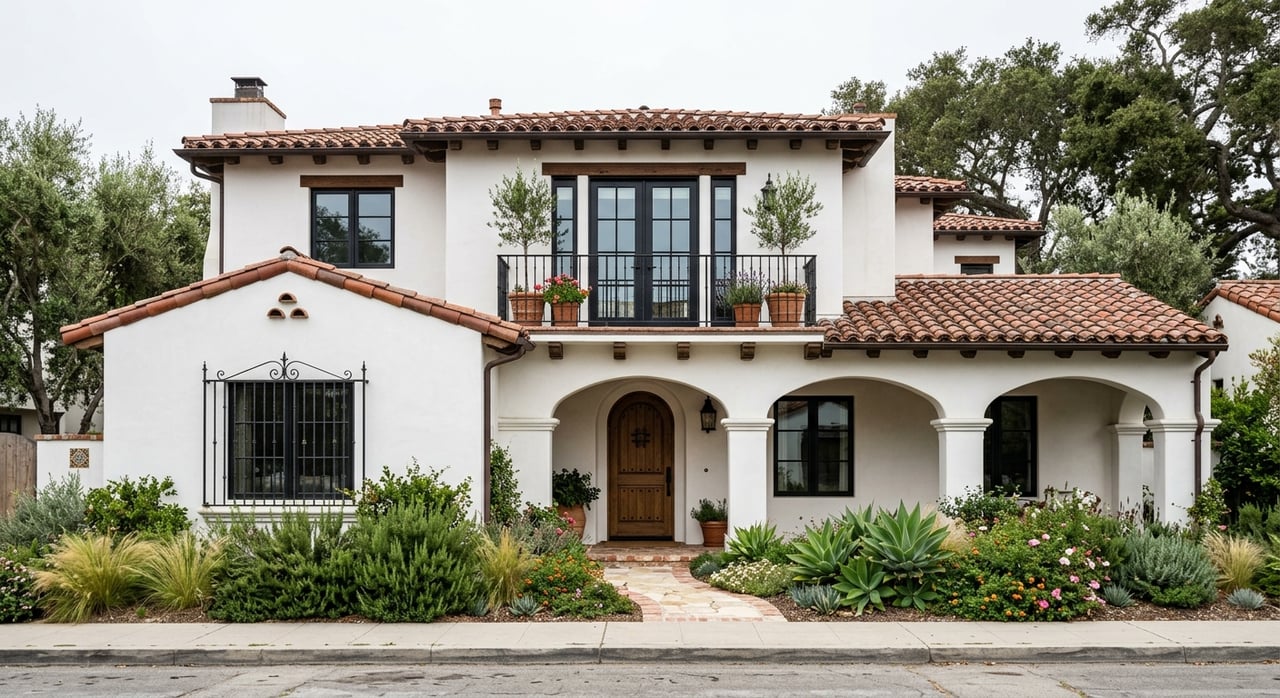
- Single-family homes. Options range from classic bungalows to modern rebuilds. You gain privacy and yard space, though lot sizes are still modest compared with inland suburbs.
- Condos and stacked flats. This is a common entry point for relocating professionals. Review HOA budgets, reserves, parking, pet policies, and any special assessments before you write an offer.
Buyer tip: Santa Monica has well-defined housing rules that can affect your plan. Confirm the following early in your search.
- Rent control. Many multi-unit properties are subject to the city’s Rent Control Law with registration and just-cause protections. If you are buying a property with rental units, verify rent-control status, current rents, and unit history with the Rent Control Agency.
Owning rent-controlled property — city guide
- Short-term rentals and leasing. Whole-home vacation rentals are generally prohibited. Hosted home-sharing in a primary residence is allowed under the city’s Home‑Sharing Ordinance. The city also has rules that encourage one‑year initial rental terms for most units.
Home-sharing and residential leasing rules
- Coastal and planning overlays. Beachfront and bluff properties may sit in the Coastal Zone, which can add permitting steps and public-access requirements. Check parcel-level constraints during due diligence.
Planning resources and Coastal context
Commute and mobility on the Westside
Many residents report sub-30-minute commutes, but Westside traffic is time-of-day sensitive. Test your route during typical weekday peaks.
- Light rail, E Line. The LA Metro E Line links Downtown Santa Monica to points east, with key stops at 17th St/SMC and the Downtown terminus. Use the Regional Connector network for one-seat service to central LA.
- Big Blue Bus. The city’s bus network connects neighborhoods with the E Line, West LA, and nearby job centers. It is a practical last‑mile solution if you combine bus and rail.
Big Blue Bus routes and schedules
- Walk and bike. Several Santa Monica zip codes score in the mid-to-high 80s for walkability on consumer tools. Protected lanes and the Marvin Braude Bike Trail make cycling to Venice and Marina corridors a viable option for many.
Walk Score — Santa Monica 90405
Schools and education options
Santa Monica–Malibu Unified School District serves local neighborhoods and reports roughly 8,700 to 8,800 students in recent district planning documents. The district publishes graduation and college-going data that are above many state averages. School boundaries and programs can change, so confirm current information directly with the district before making an offer tied to a specific school.
- District reference: See the district’s Local Control and Accountability Plan summary for recent enrollment and performance context.
Higher education and enrichment are close by. Santa Monica College offers transfer, continuing education, and vocational programs that many families and professionals use for upskilling.
Outdoor living and everyday amenities
You are never far from the beach, parks, and open space. Popular spots include Palisades Park along the bluffs, Tongva Park near the civic center, and the Annenberg Community Beach House. Weekly farmers markets, outdoor fitness, and year-round events add to the city’s active rhythm. For many buyers, this daily access to the outdoors is the deciding factor.
Privacy, safety, and risk notes
If privacy is a priority, single-family streets north of Montana and select inland pockets offer more separation from tourism zones. Beachfront and downtown homes trade privacy for immediate access to restaurants and the shoreline.
For due diligence, review parcel-level hazard information. The city’s Local Hazard Mitigation Plan outlines coastal hazards, seismic risk, and flood considerations. For bluff or oceanfront properties, ask about geotechnical studies, erosion history, and any seismic retrofit work on older structures.
Your relocation roadmap
Use this step-by-step checklist to streamline your move.
- Define your lifestyle priorities.
- Choose your focus: walk-to-beach living, private single-family streets, or value-oriented inland pockets.
- Shortlist 2–3 neighborhoods to tour, day and evening.
- Confirm today’s numbers.
- Market medians shift quickly. Compare single-family vs. condo pricing on the week you are ready to act.
- Align budget bands with each target neighborhood.
- Test your commute.
- Drive and transit-test your origin-to-destination at both peaks.
- Try the E Line plus Big Blue Bus if rail is viable for your route.
- Do school due diligence.
- Review district resources, request school tours, and confirm current boundaries directly with SMMUSD.
- If timing a move for enrollment, contact the district early.
- Run a regulatory check.
- Verify rent-control status for any property with rental units.
- Understand home‑sharing and lease-term rules if you plan to rent part or all of a property.
- Check for Coastal Zone or planning overlays that affect remodels or additions.
- Inspect for hazards.
- Order flood, seismic, and, where relevant, geotechnical reviews.
- For older homes, verify retrofit history and permits.
Work with a trusted Westside advisor
If you want calm, expert guidance through a high-stakes move, you deserve a team that lives and works on the Westside. With decades of Santa Monica and coastal micro‑market experience, white‑glove service, and access to private networks, our practice helps you match lifestyle, privacy, and value with confidence. Ready to start a focused search or prepare a strategic sale? Connect with Susan Stark Homes to Request a Private Consultation.
FAQs
What do homes typically cost in Santa Monica?
- Major market trackers place medians in the $1.5M–$1.9M range, with Zillow reporting an average near $1.68M and a late‑2025 median sale price around $1.688M.
Is Santa Monica practical without a car?
- Many blocks are highly walkable, there is robust bike infrastructure, and you have access to the E Line and Big Blue Bus for regional trips.
How does Santa Monica’s rent control affect buyers?
- If you buy a property with rental units, verify whether it is rent-controlled, review current rents and registration, and understand just-cause and allowable increase rules.
Are short-term vacation rentals allowed?
- Whole‑home vacation rentals are generally prohibited; hosted home‑sharing in a primary residence is permitted under the city’s ordinance.
What is the average commute time from Santa Monica?
- The mean travel time to work for residents is about 25.8 minutes, but you should test your specific route at peak hours.
Which areas offer more privacy?
- Single-family streets north of Montana and select inland pockets provide greater separation from tourism zones compared with beachfront and downtown locations.