If you are selling a luxury home in Pacific Palisades, one pricing mistake can cost you weeks on market and meaningful leverage. This is a market where two homes with similar square footage can command very different outcomes based on pocket, view line, privacy, access, and architectural pedigree. When you understand how buyers are evaluating value right now, you can price with more precision and protect your position from day one. Let’s dive in.
Why Pacific Palisades Pricing Is So Specific
Pacific Palisades is still one of Los Angeles’ most recognized luxury markets, but it is not a single uniform pricing environment. According to Redfin’s Pacific Palisades market data, the February 2026 median sale price was $3.499 million, homes averaged about 80 days on market, and the typical sale closed at 95.3% of list price. Only about 14.8% of homes sold above asking.
That matters because it points to a market that still rewards quality and scarcity, but does not automatically reward overpricing. In other words, a seller cannot rely on the Pacific Palisades name alone. You need a pricing strategy built around your exact micro-market and your home’s specific strengths.
Start With the Micro-Neighborhood
In Pacific Palisades, pricing starts by narrowing the comp set to the right pocket. The gap between neighborhoods is simply too wide to use broad ZIP code averages as your main guide.
For example, Redfin’s neighborhood pages show a February 2026 median sale price of $11.8 million in The Riviera and $8.6 million in Rustic Canyon. By comparison, Castellammare was $3.2 million and Marquez Knolls was $2.35 million. That spread tells you why a Riviera estate should not be priced against a generic Palisades average, and why a Marquez Knolls home needs a different strategy than a bluff-front property.
The Riviera and Rustic Canyon
These upper-tier pockets often support larger premiums for privacy, estate scale, and architectural presentation. The Riviera market data reflects a price tier well above the broader neighborhood, while Rustic Canyon market data shows a similarly elevated estate market with faster average movement than the broader Palisades.
For sellers in these areas, the right pricing discussion is rarely just about price per square foot. It is about estate quality, lot setting, privacy, and whether the home competes with a polished luxury listing or with a more ordinary renovated home.
Castellammare, Marquez Knolls, and Alphabet Streets
These pockets can be more sensitive to condition, view quality, lot constraints, and buyer perception of access. In Castellammare especially, pricing can swing sharply depending on whether a home offers meaningful ocean outlooks or faces more site limitations. Marquez Knolls also shows a wider spread between homes that are updated and well-positioned versus those that sit longer.
The Alphabet Streets remain attractive for their Village-adjacent location, but sales vary meaningfully by block, lot depth, privacy, and remodel level. That means one strong nearby sale may not be enough to justify a premium if the underlying features are not closely aligned.
Views Are Not All Equal
In a coastal luxury market, sellers often know that views matter. The harder part is understanding that not all views should be priced the same way.
A 2023 Appraisal Journal study on scenic views found that view premiums can vary sharply from parcel to parcel. For Pacific Palisades, that means a partial water glimpse, a broad canyon-to-coast panorama, and an unobstructed front-row ocean view should not be treated as interchangeable assets.
This is one of the most common pricing errors in the luxury segment. If your home has a superior sightline, the premium should be supported with a tighter set of relevant comps and a clear market narrative. If the view is more limited, the pricing should reflect that nuance early rather than testing an aspirational number that the market may not support.
Privacy, Lot Utility, and Access Shape Value
In Pacific Palisades, buyers are often paying for more than the house itself. They are also evaluating how the property feels to live in and how practical the site is to use.
Privacy can carry real pricing power, especially when it comes from gated entries, mature landscaping, setback from the street, or a more secluded lot orientation. Lot utility matters too. A flat usable yard, a comfortable indoor-outdoor layout, and easy arrival can all support stronger pricing than a more constrained site, even if the interior square footage looks similar on paper.
Access has become a more visible part of value as well. The City of Los Angeles’ 2026 Infrastructure Restoration Plan notes wildfire-related impacts to power, water, streets, and slopes, and the Los Angeles Times has reported that many streets in areas including Alphabet Streets, Rustic Canyon, and Castellammare are narrower than fire-code standards in some sections, which can influence buyer confidence around access and rebuild complexity. In practical terms, buyers may be pricing not only beauty and privacy, but also ease of access and the perceived friction of ownership.
Architectural Pedigree Can Justify a Premium
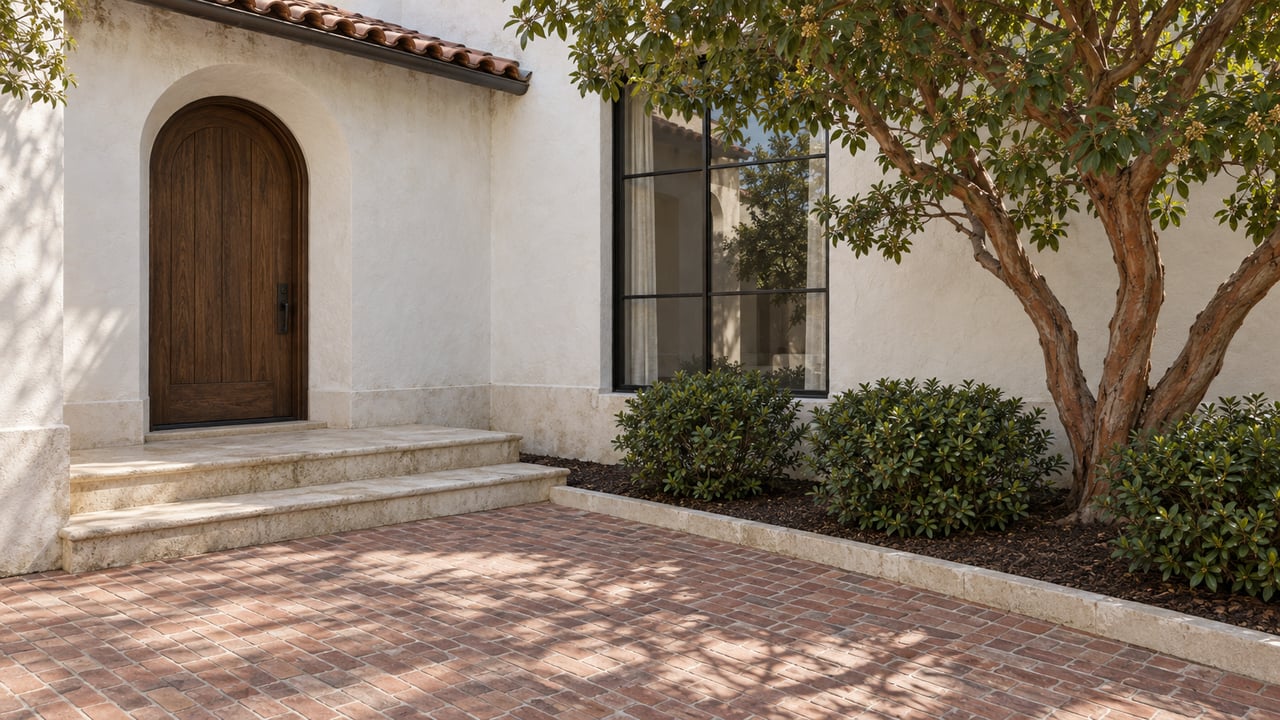
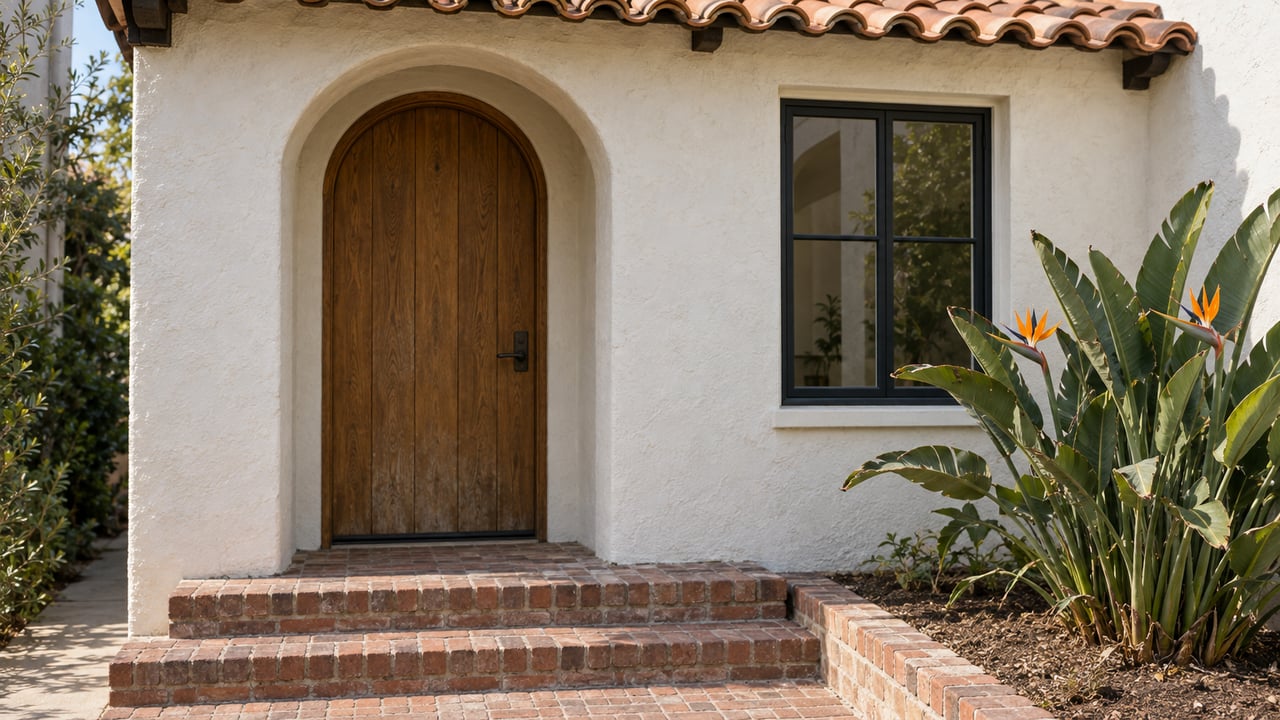
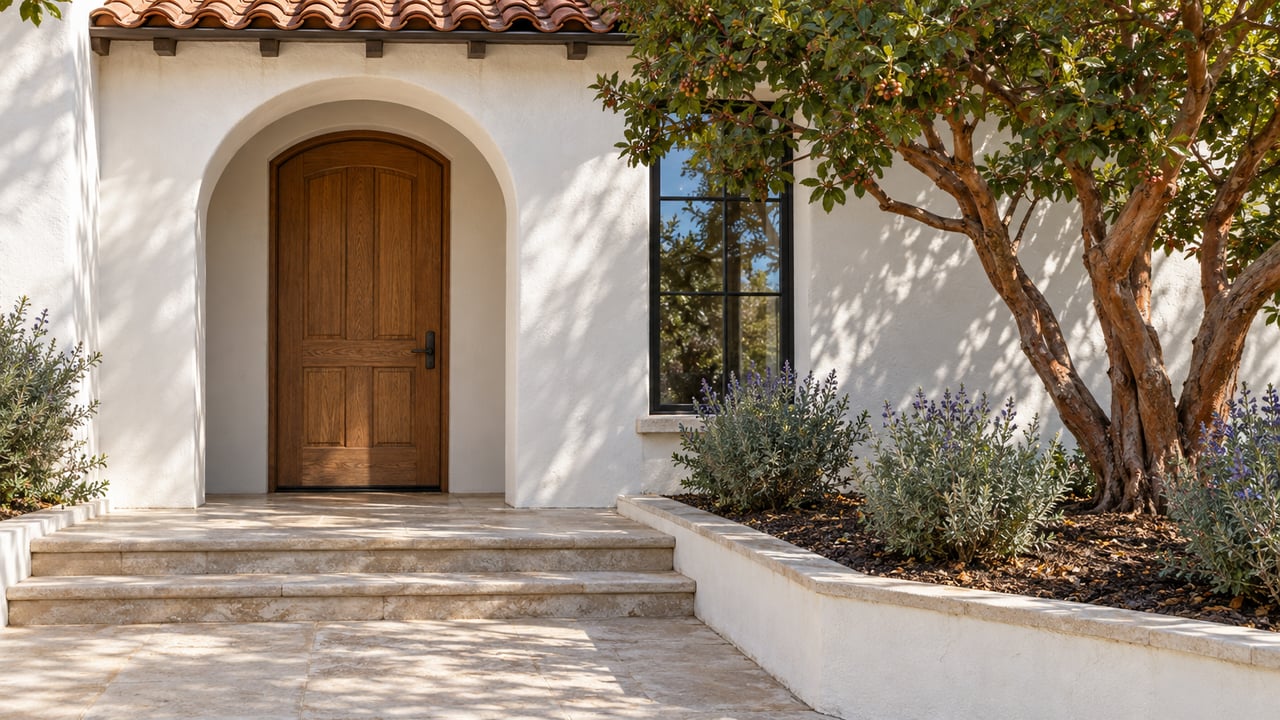
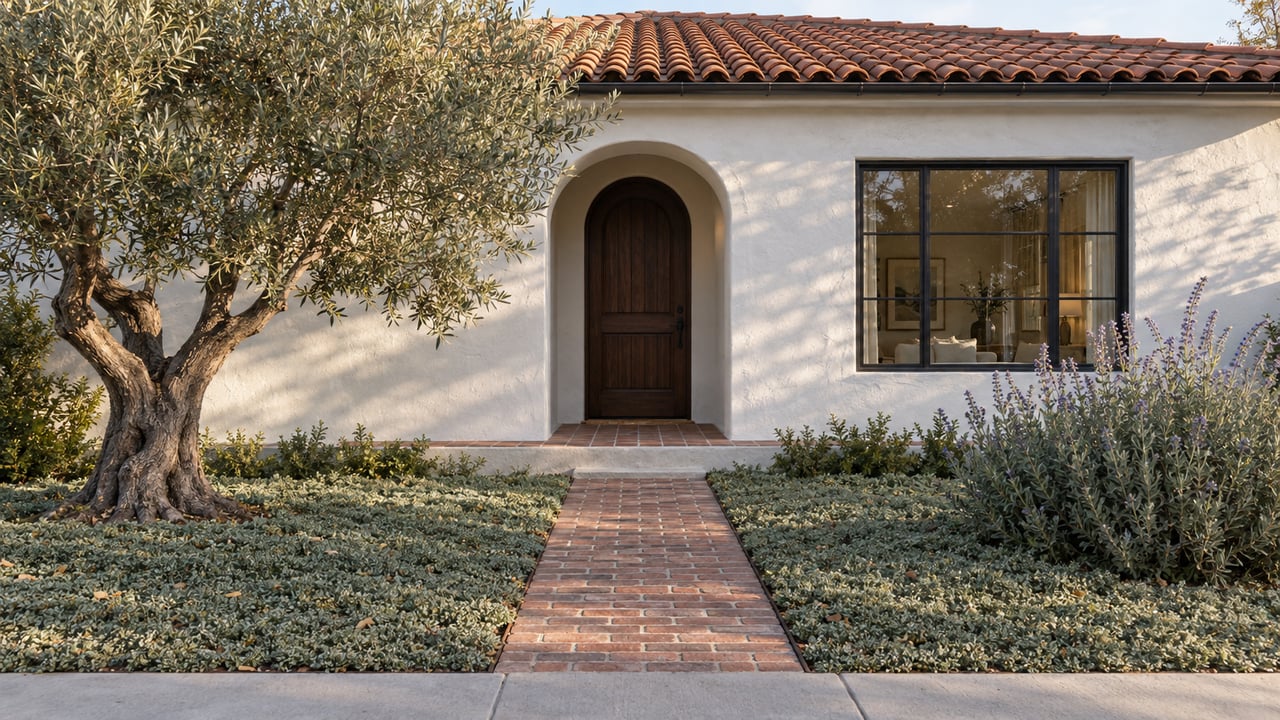
Pacific Palisades has long stood out for its architectural range. The neighborhood includes traditional coastal estates, Spanish Colonial Revival homes, and notable modernist design tied to architects such as Richard Neutra, Cliff May, Charles and Ray Eames, Eero Saarinen, and others, as noted by the Los Angeles Times’ Pacific Palisades neighborhood profile.
That matters because architectural pedigree can change how buyers compare your property. A design-forward home with recognized authorship, strong provenance, or unusually thoughtful execution may justify a tighter comp set and a stronger pricing position than a generic renovated home nearby.
This is especially important in the upper luxury segment. Buyers shopping architecturally significant homes are often not making side-by-side decisions based only on bedroom count or square footage. They are evaluating rarity, integrity of design, and whether the property feels hard to replace.
What Current Market Data Suggests
The broader market data supports a disciplined launch strategy. With homes in Pacific Palisades selling at about 95.3% of list price on average and taking around 80 days to sell, a pricing plan that assumes immediate multiple offers may be too aggressive unless the home is truly exceptional.
That does not mean sellers should underprice by default. It means the initial price should match the home’s real position in the market. If your home is rare because of its view, lot, privacy, or architecture, the asking price should make that case clearly. If it is competing in a broader pool, the list price needs to invite action rather than resistance.
A Smarter Luxury Pricing Framework
For most Pacific Palisades sellers, the strongest pricing strategy follows a clear order of operations:
- Identify the true micro-market rather than relying on broad Palisades averages.
- Select comps by similarity, including lot shape, privacy, view quality, architecture, and condition.
- Adjust for site utility and access, not just interior finishes.
- Decide whether the home is broadly competitive or truly rare.
- Build a narrative that explains the premium if the pricing sits above neighborhood norms.
Luxury pricing is both analytical and interpretive. You need the right numbers, but you also need the right story behind those numbers.
When Off-Market Testing May Make Sense
Some Pacific Palisades homes do not fit neatly into the public market. That may include architecturally significant residences, unusual lots, or properties still in remediation or transition.
In those cases, a discreet off-market or pre-market approach can be useful because it allows you to gauge buyer response without immediately adding visible days on market. That said, off-market testing is not a substitute for pricing discipline. It works best when it is part of a broader strategy that includes presentation, buyer targeting, and a realistic understanding of the home’s place in its pocket.
For a boutique advisory like Susan Stark Homes, this is where high-touch seller guidance can make a real difference. A tailored approach, discreet marketing, and thoughtful positioning often matter most when the property is nuanced and the buyer pool is selective.
Why Early Positioning Matters Most
In luxury real estate, the first impression is often the strongest one. When a home debuts at a price that feels aligned with its micro-market and its value drivers, buyers are more likely to engage seriously and early.
When a listing launches too high, the market may still respond, but often with hesitation. Price reductions later can help, yet they rarely recreate the leverage of a well-positioned first launch. In a market as pocket-specific as Pacific Palisades, that makes upfront pricing discipline one of the most important decisions you can make.
If you are preparing to sell in Pacific Palisades, the goal is not simply to choose a number that sounds ambitious. It is to choose a number that reflects your home’s exact market, highlights its strongest advantages, and creates the right momentum from the start. For discreet, tailored guidance on pricing, presentation, and launch strategy, connect with Susan Stark Homes.
FAQs
How should you price a luxury home in Pacific Palisades?
- Start with your specific micro-neighborhood, then adjust for view, privacy, lot utility, architecture, condition, and access rather than relying on broad area averages.
Why do Pacific Palisades home values vary so much by neighborhood?
- Pacific Palisades includes several distinct luxury pockets, and current market data shows large pricing differences between areas such as The Riviera, Rustic Canyon, Castellammare, Marquez Knolls, and the Alphabet Streets.
Do ocean views increase Pacific Palisades home prices?
- Yes, but the premium depends on the exact sightline and setting, since appraisal research shows that view value can vary significantly from one parcel to another.
Does architectural pedigree affect luxury home pricing in Pacific Palisades?
- Yes, architecturally significant or design-forward homes may justify a tighter comp set and a stronger pricing position than more standard renovated homes nearby.
Is overpricing risky in the Pacific Palisades luxury market?
- Yes, current market data suggests that homes generally sell below list price on average, so an overly aggressive launch can reduce momentum and lengthen time on market.
When does off-market marketing make sense for a Pacific Palisades luxury home?
- It can make sense for unusual, private, or architecturally significant properties when you want to test demand discreetly before a full public launch.