Selling in Santa Monica starts long before the first showing. You’re balancing coastal buyer expectations, city requirements, and the details that protect your price. With a clear prep plan, you can reduce days on market and avoid late‑stage surprises. In this guide, you’ll get a step‑by‑step approach tailored to Santa Monica: disclosures, repairs, staging, timelines, and budgets. Let’s dive in.
Know the market to set your plan
Santa Monica is a premium coastal market with median sale prices commonly in the $1.6–$1.9 million range and an average market time of several weeks. Buyer interest is steady year‑round, but pricing can be sensitive to condition, parking, and whether a property is tied to HOA rules or rent control. In a slightly softer window, smart prep can shorten time on market and reduce requests for credits.
Focus your effort where buyers and appraisers focus: safety, structure, documentation, and presentation. The right sequence keeps your timeline tight and your negotiation leverage strong.
Start with required paperwork
State disclosures you must provide
California requires you to disclose known material facts about the property. Prepare these before you list so buyers can review early.
- Transfer Disclosure Statement and Natural Hazard Disclosure: These are required statewide, and “as‑is” does not remove that duty. Review the California Association of REALTORS guidance on the Transfer Disclosure Statement for what is covered and why timely delivery matters. See the TDS form details in the association’s official materials at the California Association of REALTORS website. You can reference the statutory form in the association’s PDF for context: Transfer Disclosure Statement overview.
- Lead‑based paint disclosure: For homes built before 1978, provide federal disclosure forms and the EPA pamphlet.
Practical tip: Compile permits, service records, and any prior inspections now. Having this packet ready helps you move fast once offers arrive.
If you are selling a condo or HOA property
Under California’s Davis‑Stirling Act, buyers have a right to key HOA documents. Plan for the time and fees to obtain them.
- Expect to deliver CC&Rs, budgets, reserve study summaries, assessment statements, and recent meeting minutes if requested. Associations have up to 10 days to provide the package and may charge reasonable fees. Learn more at the statute summary: Civil Code 4525 resale disclosures.
Buyers usually get a short review period after these are delivered. Build that window into your timeline.
Santa Monica‑specific items to plan for
- Rent control and relocation: Many Santa Monica rental units fall under rent stabilization and tenant protection rules. No‑fault evictions or owner move‑ins can trigger notice periods and relocation payments. If your property is tenant‑occupied or has been a rental, consult the City’s guidance early: Santa Monica Rent Control information sheet.
- City transfer tax: Santa Monica levies a city documentary transfer tax in addition to the County recorder tax. Confirm the current tiers and who pays with City Finance or your title company. See the City’s overview: Real Property Transfer Tax.
- Coastal zone considerations: Homes in the coastal zone may involve coastal development permits or appeal jurisdiction for certain exterior changes. Disclose known coastal permits or limitations up front. For background on coastal constraints, review the City’s published materials in the housing element appendix: Local Coastal Program context.
Sequence your pre‑listing prep
A disciplined order limits surprises during escrow and keeps you in control of the timeline.
1) Safety and compliance first
Address small, high‑impact items before listing. These are quick, inexpensive, and often show up in appraisals and inspections.
- Install or verify smoke and CO detectors.
- Brace the water heater.
- Add or fix GFCI outlets where required.
- Secure loose handrails and address visible hazards.
Government‑backed loans can heighten scrutiny of life‑safety issues and wood‑destroying organisms. Reviewing FHA appraiser guidance helps you anticipate requests: HUD property inspection highlights.
2) Fix structural and system issues
Buyers and lenders react strongly to roof leaks, active plumbing leaks, foundation movement, failing HVAC, and outdated or unsafe electrical panels. If you know about these, prioritize repairs and keep receipts and permits handy. Solving big issues now protects appraisal value and reduces negotiation credits later.
3) Address coastal wear and tear
Salt air accelerates corrosion on railings, door tracks, exterior lighting, and HVAC components. Re‑seal windows and sliders, service HVAC, repair hairline stucco cracks, and confirm deck and railing integrity. Coastal buyers expect documented maintenance, especially near the beach. The City’s coastal materials outline why exterior work often gets added scrutiny: Coastal constraints overview.
4) Clarify permits and past work
If the property has additions, converted spaces, or an ADU, gather permit records or be prepared to disclose unpermitted work. For HOA or historic properties, confirm prior approvals for exterior changes. Clean documentation supports buyer confidence and smoother lending.
5) Order a termite and WDO inspection
While not always required, a pre‑listing termite and wood‑destroying organism inspection is wise in coastal areas. FHA, VA, or USDA loans may require proof of treatment if an appraiser notes evidence. The FHA guidance linked above outlines typical triggers: HUD property inspection highlights.
Suggested sequence and timing: safety fixes in 1 to 2 weeks, structural and mechanical work in 2 to 6 weeks depending on scope, then cosmetic refresh and staging in 1 to 2 weeks.
Smart updates and staging that sell
Coastal buyers respond to bright, neutral spaces with a clear indoor‑outdoor connection. Good staging helps them see how they will live in the home, which often shortens market time and can lift offers. The National Association of REALTORS found consistent agent agreement that staging improves visualization and marketability: NAR Profile of Home Staging.
Focus on these areas:
- Living room: Open the flow, remove bulky pieces, and use low‑profile seating to preserve sightlines.
- Primary bedroom: Neutral bedding, minimal personal photos, matching lamps, and tidy nightstands.
- Kitchen: Clear counters, touch up paint, replace tired hardware, and style with a few fresh items.
- Outdoor spaces: Set a simple dining or lounge vignette to highlight easy coastal living.
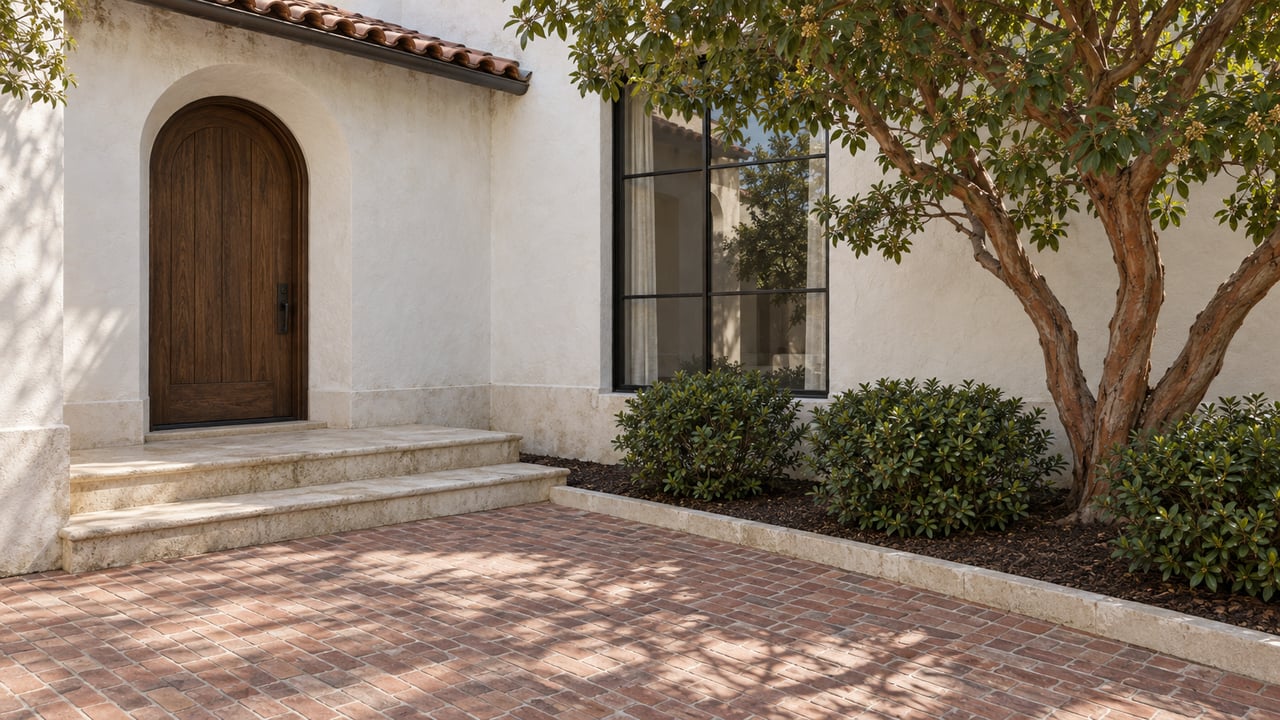
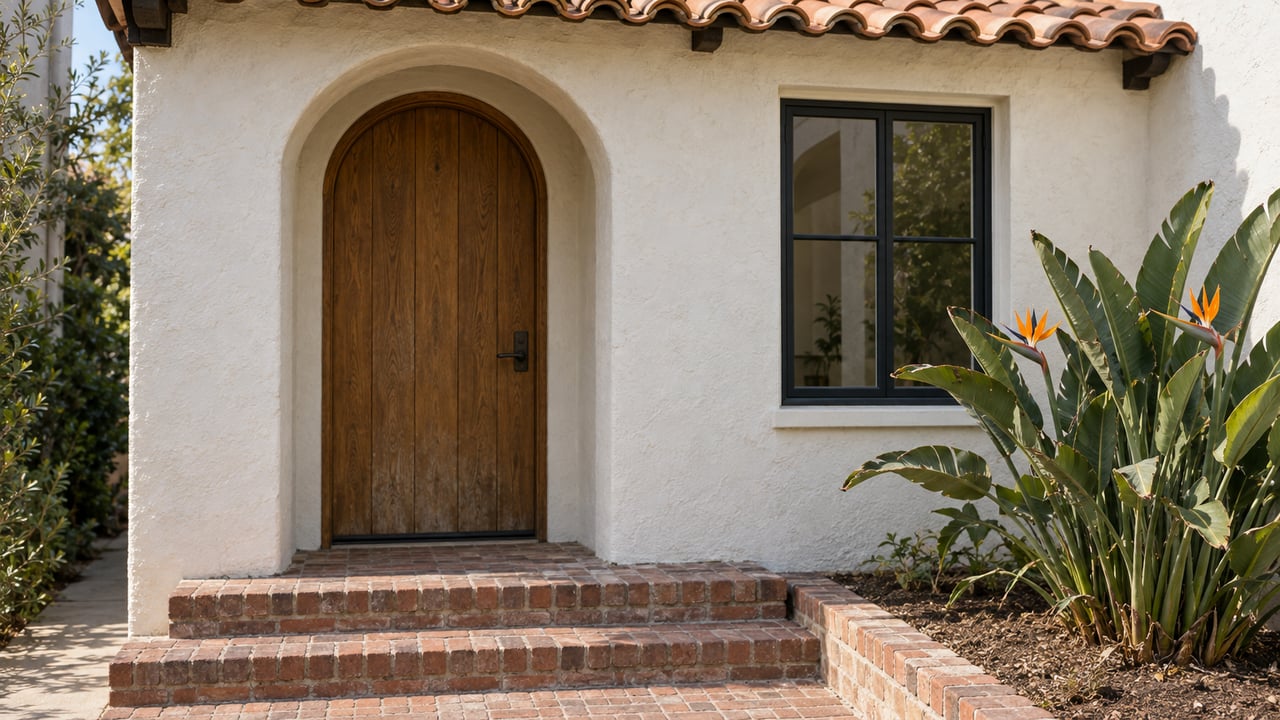
- Entry and curb: Power wash, update front‑door hardware, tidy planters, and refresh house numbers.
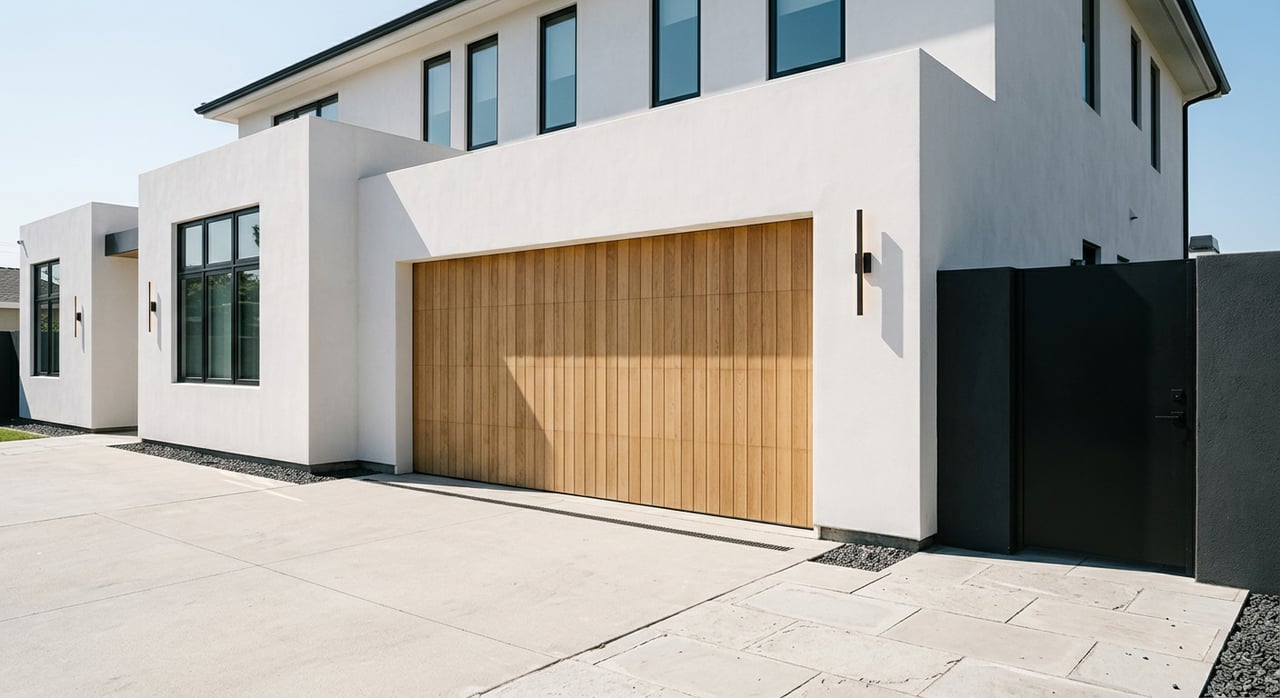
- Garage and parking: Declutter and show clear utility, especially in areas where parking is prized.
If the home is vacant, ask about virtual staging for listing photos to control costs and timing. For landscaping, favor drought‑tolerant plantings that are clean, low‑maintenance, and water‑smart. The EPA’s guidance highlights why water‑efficient choices matter in Southern California climates: Water‑efficient landscaping overview.
Timelines, budgets, and ROI
Every property is different, but these ranges help you plan. Get bids from local vendors before you commit.
- Minimal prep, 2 to 4 weeks: Declutter, deep clean, minor touchups, professional photos, and basic or virtual staging. Approximate budget: 1,000 to 5,000 dollars. Industry research indicates staging helps limit time on market and can support stronger offers: NAR Profile of Home Staging.
- Moderate prep, 6 to 12 weeks: Targeted repairs, interior paint, a light kitchen refresh, landscape tidy, and professional staging. Approximate budget: 5,000 to 40,000 dollars depending on scope. Regional Cost vs. Value analyses show smaller, targeted projects often recover a higher percentage than big upscale remodels. See a discussion of balancing ROI and scope here: Remodeling ROI insights.
- Major rehab, 3 to 6+ months: Full kitchen or bath remodels, structural fixes, or permitted ADU work. Timelines extend due to permitting and trades. Large projects may raise absolute value but often have a lower percentage return than focused updates.
Bottom line: in Santa Monica, clean presentation, documented repairs, and professional staging usually deliver the best balance of cost and time.
Show‑day and negotiation friction points
- Tenant‑occupied properties: If the home is rented, especially under rent stabilization, plan early for tenant rights, notices, and possible relocation obligations. Proactive communication reduces risk of delays. Reference the City’s overview: Rent control information sheet.
- HOA realities: Buyers scrutinize reserve funding, special assessments, and litigation. Obtain the full HOA packet early so you can disclose and strategize around any issues. Learn what must be delivered under Civil Code 4525.
- Coastal and permitting questions: Expect questions about coastal development permits, view corridors, or flood exposure near the waterfront and bluffs. Disclose known permit history and any coastal zone limits. Background: Local Coastal Program context.
Your seller checklist
Use this as your working list, then customize with your advisor.
- Gather documents: permits, service records, prior inspections, TDS and NHD, and HOA contacts or the resale package if applicable. Review the TDS framework here: State TDS overview.
- Complete safety items: smoke and CO detectors, water‑heater bracing, GFCI outlets, and secure handrails. Check FHA appraiser priority areas here: HUD inspection highlights.
- Order a WDO/termite inspection: Treat any activity and save the clearance report. See FHA triggers in the HUD guidance above.
- Prep for presentation: Pack away 30 percent or more of personal items, repaint in neutral tones, refresh carpets or key flooring, and stage the main living areas. Review staging impact here: NAR Home Staging Profile.
- Plan marketing and timing: Book photos at optimal light, align open houses with HOA review periods, and build a cushion for HOA document delivery and any tenant notices.
Work with a Westside advisor
Prepping a Santa Monica home is part logistics and part storytelling. You want precise disclosure management, a clear repair plan, and a design‑forward presentation that highlights light, flow, and coastal living. With three decades on the Westside, Susan Stark Homes provides discreet, end‑to‑end seller guidance that includes vendor coordination, tailored staging strategy, and Compass‑enabled programs like Concierge to smooth prep and elevate marketing. If you are considering a sale in the next 6 to 12 months, request a confidential plan that fits your timeline and goals.
Ready to talk through your next steps? Connect with Susan Stark Homes to Request a Private Consultation.
FAQs
What disclosures are required to sell a Santa Monica home?
- In California, sellers provide a Transfer Disclosure Statement and Natural Hazard Disclosure, plus federal lead‑based paint forms for pre‑1978 homes; see the association’s TDS overview for scope and timing: Transfer Disclosure Statement.
How does Santa Monica rent control affect a sale with tenants in place?
- Many rental units are regulated; certain no‑fault evictions or owner move‑ins can require notice and relocation payments, so consult the City’s published guidance early: Rent Control information.
What HOA documents will buyers expect for a condo resale?
- Under Civil Code 4525, buyers typically review CC&Rs, budgets, reserve studies, assessment statements, and minutes if requested; associations have up to 10 days to produce them: Davis‑Stirling 4525.
Do I need a termite inspection before listing in Santa Monica?
- A pre‑listing WDO inspection is smart near the coast and can prevent loan delays, especially if an FHA or VA appraiser notes evidence; see relevant triggers in the HUD inspection guidelines.
How much should I budget for staging in this market?
- Budgets vary by size and style, but many Santa Monica sellers plan for professional staging or virtual staging within a broader 1,000 to 40,000 dollar prep range; NAR research links staging to shorter market times: NAR Home Staging Profile.
What is the Santa Monica real property transfer tax?
- The City levies a transfer tax in addition to County tax; confirm current tiers and who pays with your title company or City Finance; start here: Real Property Transfer Tax.