Malibu is one of Southern California's most storied coastal markets — and in 2026, one defined by softening prices and a genuinely wider range of negotiating leverage than in recent years. As of mid-2026, figures vary meaningfully by source and methodology: Zillow's typical home value sits around $3.2 million (up modestly year-over-year), while Redfin's recent three-month median sale price has run between $3.6 million and $4.8 million depending on the reporting window, down 12% to 35% year-over-year in several readings. Realtor.com's February 2026 data showed a median listing price of $5.675 million with homes selling roughly 6% below asking on average.
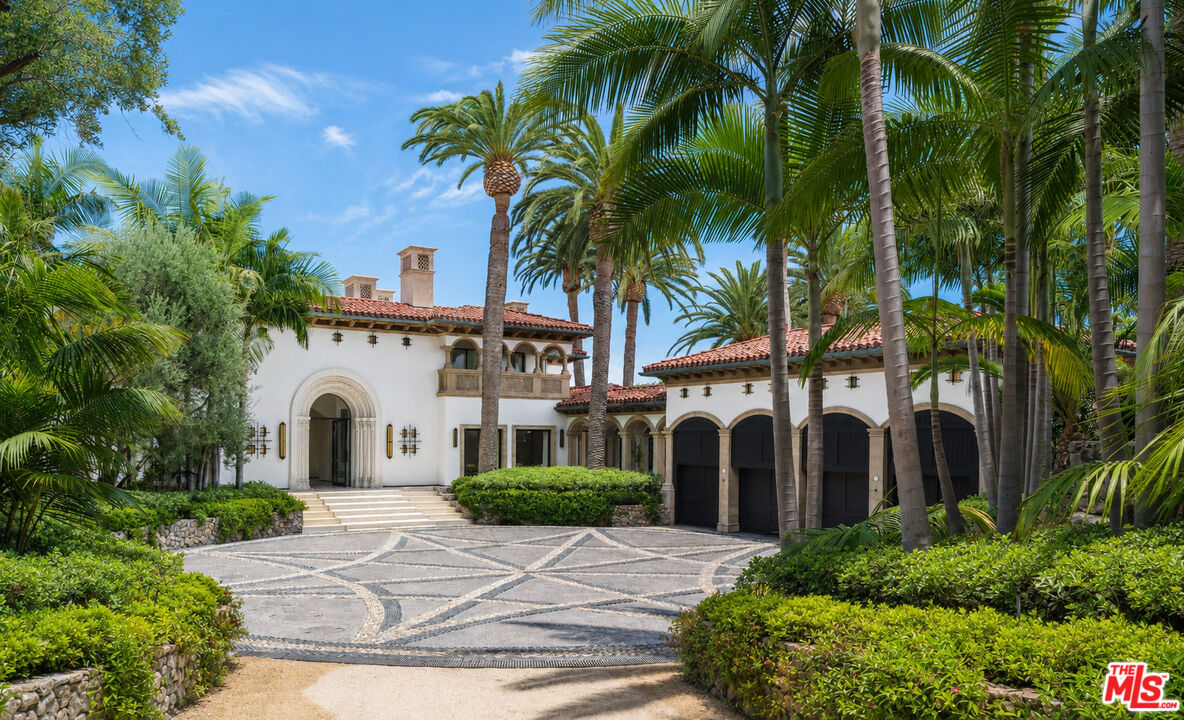
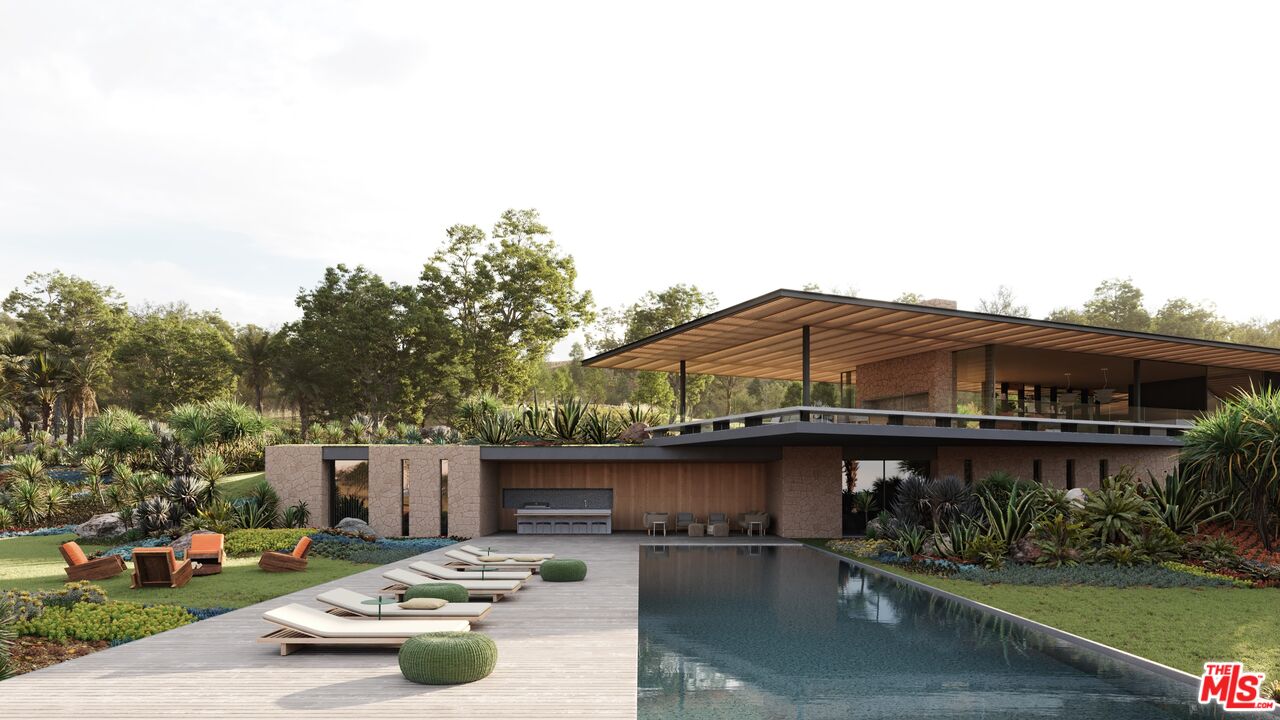
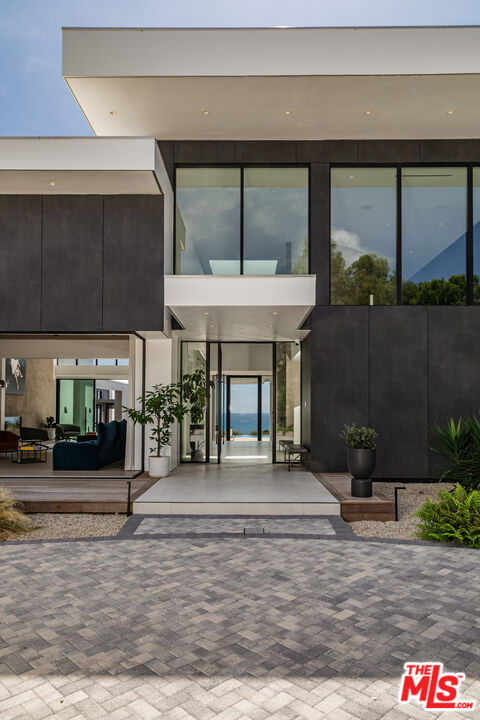
Malibu offers oceanfront and near-oceanfront estates in Point Dume, Malibu Colony, and Carbon Beach, hillside and canyon homes in Malibu Park and Trancas Canyon with privacy and mountain views, a smaller supply of condominiums offering more accessible entry points (with condos averaging around $1.2 million to $1.66 million versus $3.5 million to $3.77 million for single-family homes), and land and redevelopment opportunities throughout the city's canyon corridors.
Point Dume commands Malibu's highest median pricing, prized for its bluff-top privacy, larger lots, and proximity to Point Dume State Beach. Malibu Colony and Carbon Beach ("Billionaire's Beach") remain the city's most recognized oceanfront addresses, trading on scarcity and direct sand access. Malibu Park and Western Malibu offer premium hillside and canyon living with meaningfully larger parcels, while Trancas Canyon provides a relatively more accessible entry point into the broader Malibu market.
As of mid-2026, figures vary by source — the typical home value sits around $3.2 million, while recent median sale prices have ranged from $3.6 million to $4.8 million depending on the reporting period. Pricing varies enormously by sub-area, from roughly $3.9 million in Trancas Canyon to over $10.8 million in Point Dume.
Oceanfront estates in Point Dume, Malibu Colony, and Carbon Beach, canyon and hillside homes in Malibu Park and Trancas Canyon, condominiums offering more accessible pricing, and land parcels for custom construction or redevelopment.
With days on market extending to 90–175 days in many reports and sale-to-list ratios in the low-to-mid 90s, buyers have meaningfully more negotiating room than in recent cycles. Wildfire risk, insurance availability, and coastal bluff or slope stability should all be evaluated closely for any specific property before making an offer.
Malibu is served by the Santa Monica-Malibu Unified School District, with Malibu High School among the area's primary public options; several respected private schools are also accessible throughout the Westside.
Residents primarily use Pacific Coast Highway and Malibu Canyon Road to reach the 101 and 405 freeways, with Santa Monica and West Los Angeles employment centers roughly 30 to 45 minutes away under normal conditions.
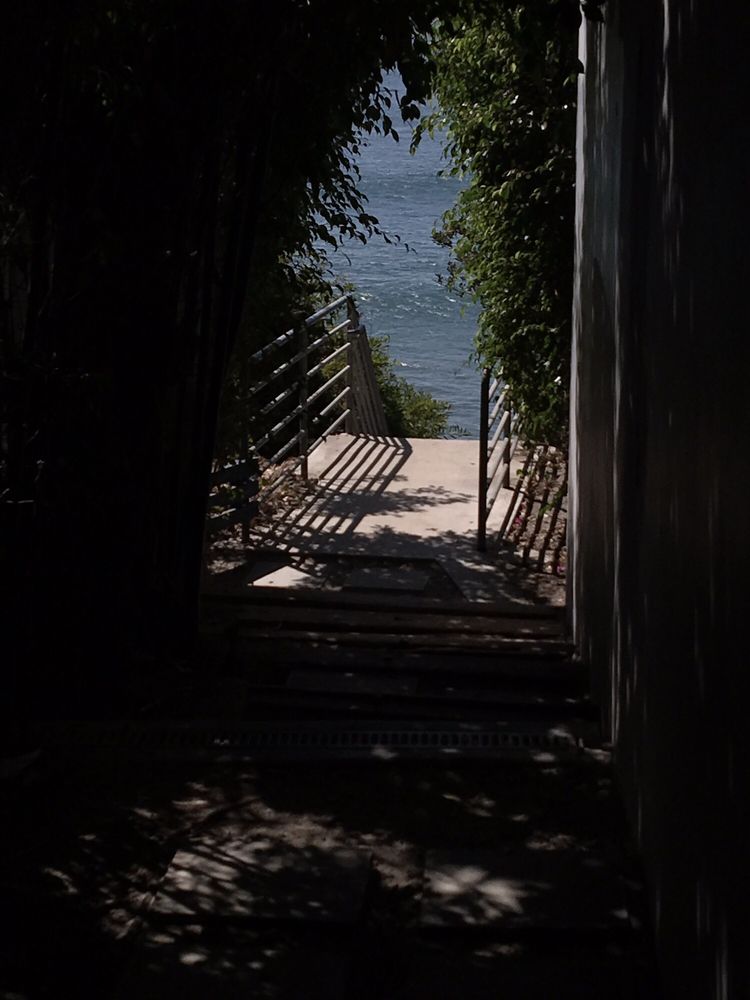
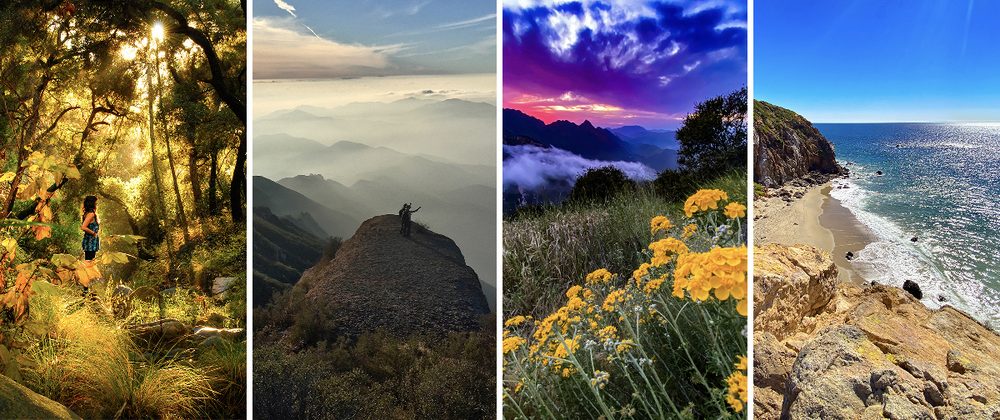
Malibu's 21 miles of Pacific coastline, Mediterranean climate, and canyon-carved privacy combine to create a genuinely singular lifestyle — world-class beaches, hiking in the Santa Monica Mountains, and a level of seclusion that few coastal markets anywhere in the country can replicate.
17,372 people live in Malibu, where the median age is 49 and the average individual income is $117,637. Data provided by the U.S. Census Bureau.
Total Population
Median Age
Population Density Population Density This is the number of people per square mile in a neighborhood.
Average individual Income
There's plenty to do around Malibu, including shopping, dining, nightlife, parks, and more. Data provided by Walk Score and Yelp.
Explore popular things to do in the area, including Hughes Market, Malibu Organic Lemon Company, and Rancho Escondido.
| Name | Category | Distance | Reviews |
Ratings by
Yelp
|
|---|---|---|---|---|
| Dining · $$ | 0.75 miles | 0 reviews | 0/5 stars | |
| Dining | 0.75 miles | 0 reviews | 0/5 stars | |
| Dining · $ | 0.75 miles | 0 reviews | 0/5 stars | |
| Dining | 0.75 miles | 6 reviews | 5/5 stars | |
| Active | 0.75 miles | 1 review | 5/5 stars | |
| Active | 0.75 miles | 28 reviews | 5/5 stars | |
| Active | 0.75 miles | 0 reviews | 0/5 stars | |
| Active | 0.75 miles | 0 reviews | 0/5 stars | |
| Active | 0.75 miles | 6 reviews | 4.5/5 stars | |
| Active | 0.75 miles | 1 review | 5/5 stars | |
| Active | 0.75 miles | 0 reviews | 0/5 stars | |
| Active | 0.75 miles | 6 reviews | 5/5 stars | |
| Active | 0.75 miles | 4 reviews | 5/5 stars | |
| Active | 0.75 miles | 0 reviews | 0/5 stars | |
| Active | 0.75 miles | 2 reviews | 5/5 stars | |
| Nightlife | 0.75 miles | 0 reviews | 0/5 stars | |
| Beauty | 0.75 miles | 0 reviews | 0/5 stars | |
| Beauty | 0.75 miles | 3 reviews | 5/5 stars | |
| Beauty | 0.75 miles | 0 reviews | 0/5 stars | |
| Beauty | 0.75 miles | 0 reviews | 0/5 stars | |
| Beauty | 0.75 miles | 0 reviews | 0/5 stars | |
| Beauty | 0.75 miles | 0 reviews | 0/5 stars | |
| Beauty | 0.75 miles | 0 reviews | 0/5 stars | |
| Beauty | 0.75 miles | 0 reviews | 0/5 stars | |
|
|
||||
|
|
||||
|
|
||||
|
|
||||
|
|
||||
|
|
Malibu has 6,119 households, with an average household size of 2. Data provided by the U.S. Census Bureau. Here’s what the people living in Malibu do for work — and how long it takes them to get there. Data provided by the U.S. Census Bureau. 17,372 people call Malibu home. The population density is 707 and the largest age group is Data provided by the U.S. Census Bureau.
Total Population
Population Density Population Density This is the number of people per square mile in a neighborhood.
Median Age
Men vs Women
Population by Age Group
0-9 Years
10-17 Years
18-24 Years
25-64 Years
65-74 Years
75+ Years
Education Level
Total Households
Average Household Size
Average individual Income
Households with Children
With Children:
Without Children:
Marital Status
Blue vs White Collar Workers
Blue Collar:
White Collar: