By Susan Stark
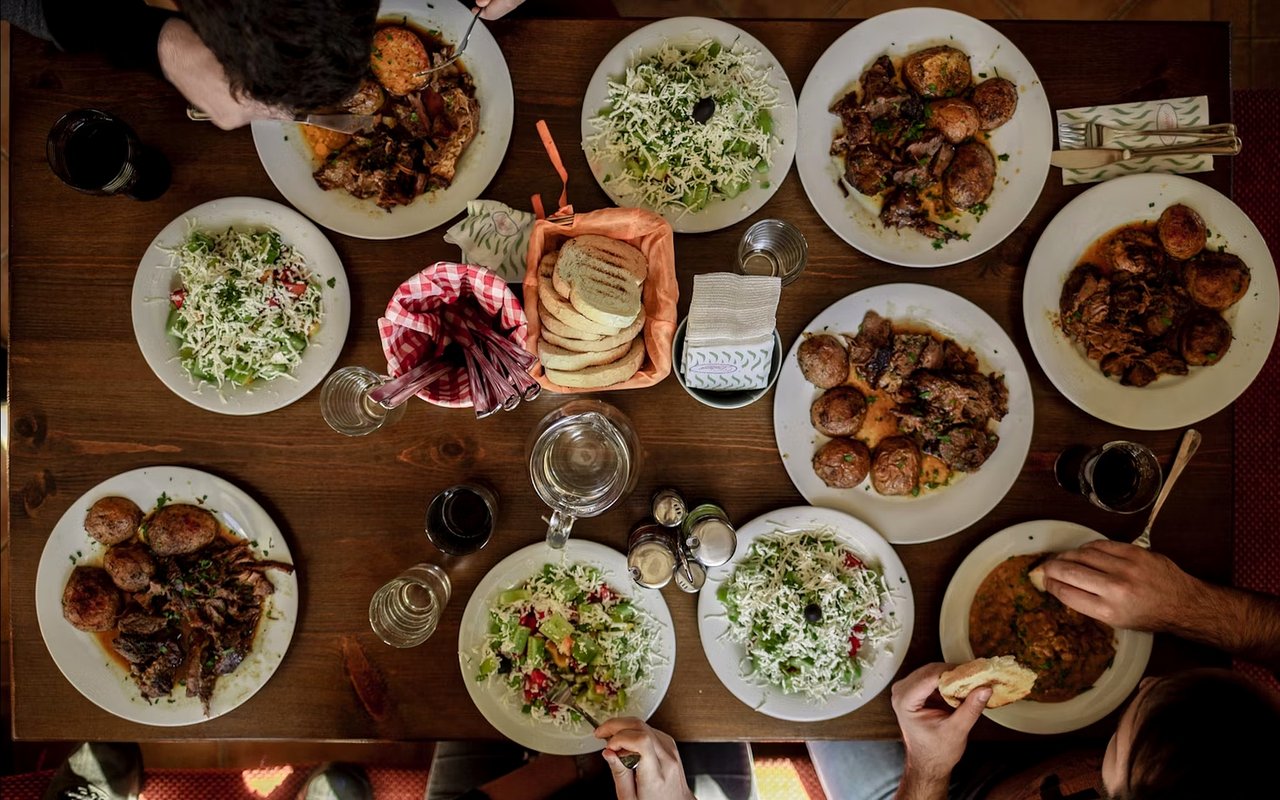
There is something about gathering people around a table that turns a house into a home. Whether you are celebrating a milestone, marking the changing season, or simply looking for a reason to bring friends together, a well-planned dinner party gives you the chance to show off your space, your cooking, and your personal style all at once. In a city like Los Angeles, where indoor and outdoor living flow into one another almost year round, you have more tools at your disposal than you might realize.
Hosting can feel overwhelming if you let it, but it does not have to be. The best dinner parties are not the ones with the most elaborate centerpieces or the most complicated recipes; they are the ones where the host feels relaxed enough to actually enjoy the night. With a little planning and the right approach to your space, you can pull off an evening that feels effortless to your guests, even if you spent the week prepping.
This guide will walk you through everything from setting the scene to managing the flow of the evening so that you can host with confidence the next time you decide to open your doors.
Key Takeaways
- Your home's layout and flow play a major role in how comfortable a dinner party feels.
- A simple, well-paced menu often makes a stronger impression than an overly ambitious one.
- Lighting and table details set the tone for the entire evening.
- Planning the timing of your evening in advance helps you stay present with your guests.
- Thoughtful touches, including a few quiet moments built into the night, make the difference between a good party and a memorable one.
Setting the Scene: Designing Your Dinner Party Space
The space you choose to host in shapes the entire feel of the evening before a single guest arrives. In Los Angeles, you have the advantage of being able to extend your dinner party outdoors for much of the year, whether that means a patio, a backyard, or a rooftop. Consider which areas of your home naturally invite people to linger, and build your evening around those spots rather than forcing guests into a room that feels stiff or formal.
Think about how people will actually move through your home over the course of the night. Guests typically gather near the entrance first, migrate toward the kitchen while food is being finished, and eventually settle at the table. Removing any obstacles along that path, clearing counter space, and making sure seating is easy to access all go a long way toward making your home feel open and welcoming rather than cramped.
If you are searching for a home with entertaining in mind, the layout matters just as much as the square footage. A kitchen that opens to a dining area, a patio with room for a long table, or a great room that can flex between everyday living and hosting all make a meaningful difference in how often you actually use your space for gatherings.
Think about how people will actually move through your home over the course of the night. Guests typically gather near the entrance first, migrate toward the kitchen while food is being finished, and eventually settle at the table. Removing any obstacles along that path, clearing counter space, and making sure seating is easy to access all go a long way toward making your home feel open and welcoming rather than cramped.
If you are searching for a home with entertaining in mind, the layout matters just as much as the square footage. A kitchen that opens to a dining area, a patio with room for a long table, or a great room that can flex between everyday living and hosting all make a meaningful difference in how often you actually use your space for gatherings.
What To Look For in an Entertaining-Friendly Layout
- An open flow between the kitchen and dining area that lets you stay connected to guests while cooking.
- Outdoor space large enough to accommodate a table and additional seating.
- Enough natural light during the day and good ambient lighting in the evening.
- Storage close to your entertaining areas for serveware, linens, and extra seating.
- A layout that allows guests to move freely, without funneling everyone through one narrow path.
Crafting a Menu That Feels Effortless
The menu often causes the most stress for first-time hosts, but it does not need to be complicated to be impressive. A thoughtfully chosen menu of three to four courses, with at least one or two items prepared in advance, allows you to spend more time with your guests and less time at the stove. Choose dishes that can be made ahead, finished quickly, or served at room temperature so that your kitchen workload is manageable once people arrive.
Consider the season and lean into what is fresh. Los Angeles gives you access to incredible produce throughout the year, and building a menu around what is currently at its best, such as stone fruit in summer or citrus in winter, gives your meal a sense of intention. A simple, well-executed dish made with quality ingredients will always outshine an overly complicated one that pulls your attention away from your guests.
Do not overlook the importance of asking about dietary preferences ahead of time. A quick text to your guest list a few days before the party saves you from last-minute substitutions and helps ensure that every person at your table feels considered.
Consider the season and lean into what is fresh. Los Angeles gives you access to incredible produce throughout the year, and building a menu around what is currently at its best, such as stone fruit in summer or citrus in winter, gives your meal a sense of intention. A simple, well-executed dish made with quality ingredients will always outshine an overly complicated one that pulls your attention away from your guests.
Do not overlook the importance of asking about dietary preferences ahead of time. A quick text to your guest list a few days before the party saves you from last-minute substitutions and helps ensure that every person at your table feels considered.
How To Build a Stress-Free Menu
- Choose one make-ahead dish that can be prepared the day before.
- Limit yourself to one new or experimental recipe per dinner party.
- Offer at least one vegetarian option, even if most of your guests eat meat.
- Plan a dessert that can be plated quickly, such as a tart or a simple fruit course.
- Keep a running list of guest dietary preferences for future gatherings.
Ambiance, Lighting, and Table Details
Once your menu is set, the details of the table and the room create the tone for the evening. Lighting is one of the most underrated tools you have as a host. A dimmer switch, a collection of candles, or even a few well-placed lamps can transform a space from bright and functional to warm and inviting within minutes. Aim for soft, layered light rather than one overhead source, which tends to flatten a room and make conversation feel less intimate.
Your table setting does not need to be elaborate to feel special. A simple linen tablecloth, mismatched vintage glassware, or a low arrangement of seasonal flowers can carry just as much personality as a fully styled tablescape. Focus on details that reflect your own taste rather than chasing a trend, since your guests will notice and appreciate a table that feels personal rather than staged.
Music sets the rhythm of the night as much as lighting sets the ambiance. A playlist that starts upbeat during the arrival period and shifts to something quieter once everyone is seated helps guide the energy of the evening without anyone noticing the transition.
Your table setting does not need to be elaborate to feel special. A simple linen tablecloth, mismatched vintage glassware, or a low arrangement of seasonal flowers can carry just as much personality as a fully styled tablescape. Focus on details that reflect your own taste rather than chasing a trend, since your guests will notice and appreciate a table that feels personal rather than staged.
Music sets the rhythm of the night as much as lighting sets the ambiance. A playlist that starts upbeat during the arrival period and shifts to something quieter once everyone is seated helps guide the energy of the evening without anyone noticing the transition.
Details That Elevate Your Table
- Layer two to three light sources, including candles, for a warm glow.
- Choose a tablecloth or runner that anchors your color palette.
- Incorporate seasonal flowers or greenery in a low arrangement so your guests can see each other.
- Build a playlist that shifts in tone as the evening progresses.
- Add a small personal touch at each place setting, such as a handwritten name card.
The Flow of a Memorable Evening
A dinner party that feels effortless from the outside almost always has a host who planned the timing carefully behind the scenes. Map out your evening in rough blocks: arrival and drinks, the start of the meal, the main course, and a slower wind-down period before guests leave. Building in a buffer of fifteen to twenty minutes between each stage gives you breathing room if something runs long, which it often does.
Resist the urge to rush guests from one course to the next. Some of the best moments at a dinner party happen in the lulls, when conversation naturally deepens, so giving people permission to linger at the table often results in a more memorable night than a tightly scripted one. As the host, your presence matters more than perfection, so plan your prep in a way that leaves you free to actually sit down and enjoy the meal you made.
Finally, think about the close of the evening. A simple gesture, such as sending guests home with a small treat or a handwritten thank-you note, leaves a lasting impression and turns a single dinner into the start of a tradition your friends will look forward to repeating.
Resist the urge to rush guests from one course to the next. Some of the best moments at a dinner party happen in the lulls, when conversation naturally deepens, so giving people permission to linger at the table often results in a more memorable night than a tightly scripted one. As the host, your presence matters more than perfection, so plan your prep in a way that leaves you free to actually sit down and enjoy the meal you made.
Finally, think about the close of the evening. A simple gesture, such as sending guests home with a small treat or a handwritten thank-you note, leaves a lasting impression and turns a single dinner into the start of a tradition your friends will look forward to repeating.
How To Pace a Dinner Party
- Build in a fifteen- to twenty-minute buffer between each stage of the evening.
- Plan your cooking schedule backward from your ideal seating time.
- Allow at least thirty minutes for drinks and conversation before serving the first course.
- Avoid clearing plates too quickly between courses, so conversation has room to breathe.
- Plan a small closing gesture, such as a take-home treat, to end the evening warmly.
FAQs
How Many Guests Should I Invite to a Dinner Party?
Most hosts find that six to eight guests strikes the right balance between an intimate evening and a lively conversation. This number is small enough that everyone can take part in a single conversation at the table, while still giving you enough energy in the room to keep the night feeling festive.
What Time Should a Dinner Party Start?
A start time between six and seven in the evening tends to work well, especially if you are using outdoor space, since it allows guests to enjoy natural light during arrival before the evening settles in. Starting later than 8 pm can push the meal itself quite late, which may not suit every guest list.
How Far in Advance Should I Plan the Menu?
Aim to finalize your menu at least a week before the party, so that you have time to source any specialty ingredients and test a new recipe if needed. This timeline also gives you room to prep make-ahead components without feeling rushed in the final days before your event.
Do I Need a Formal Dining Room To Host?
Not at all. Some of the most memorable dinner parties happen at a kitchen island, a long outdoor table, or even a coffee table with floor cushions. What matters most is that the space feels comfortable and that guests can easily talk to one another, regardless of how formal the setting is.
Bringing People Together, One Table at a Time
A great dinner party is less about perfection and more about creating a space where people feel genuinely cared for, from the moment they walk through your door to the last cup of coffee before they head home. The details matter, but they should always serve the larger goal of connection rather than overshadow it. With a little planning around your space, your menu, and the pacing of your evening, you can host with the kind of ease that makes people excited for the next invitation.
If you are dreaming of a Los Angeles home built for gathering, whether that means a kitchen that opens onto a sunlit patio or a layout designed for long, easy evenings with friends, I would love to help you find it. Reach out to me, Susan Stark, and let's talk about what your ideal entertaining space looks like.
If you are dreaming of a Los Angeles home built for gathering, whether that means a kitchen that opens onto a sunlit patio or a layout designed for long, easy evenings with friends, I would love to help you find it. Reach out to me, Susan Stark, and let's talk about what your ideal entertaining space looks like.