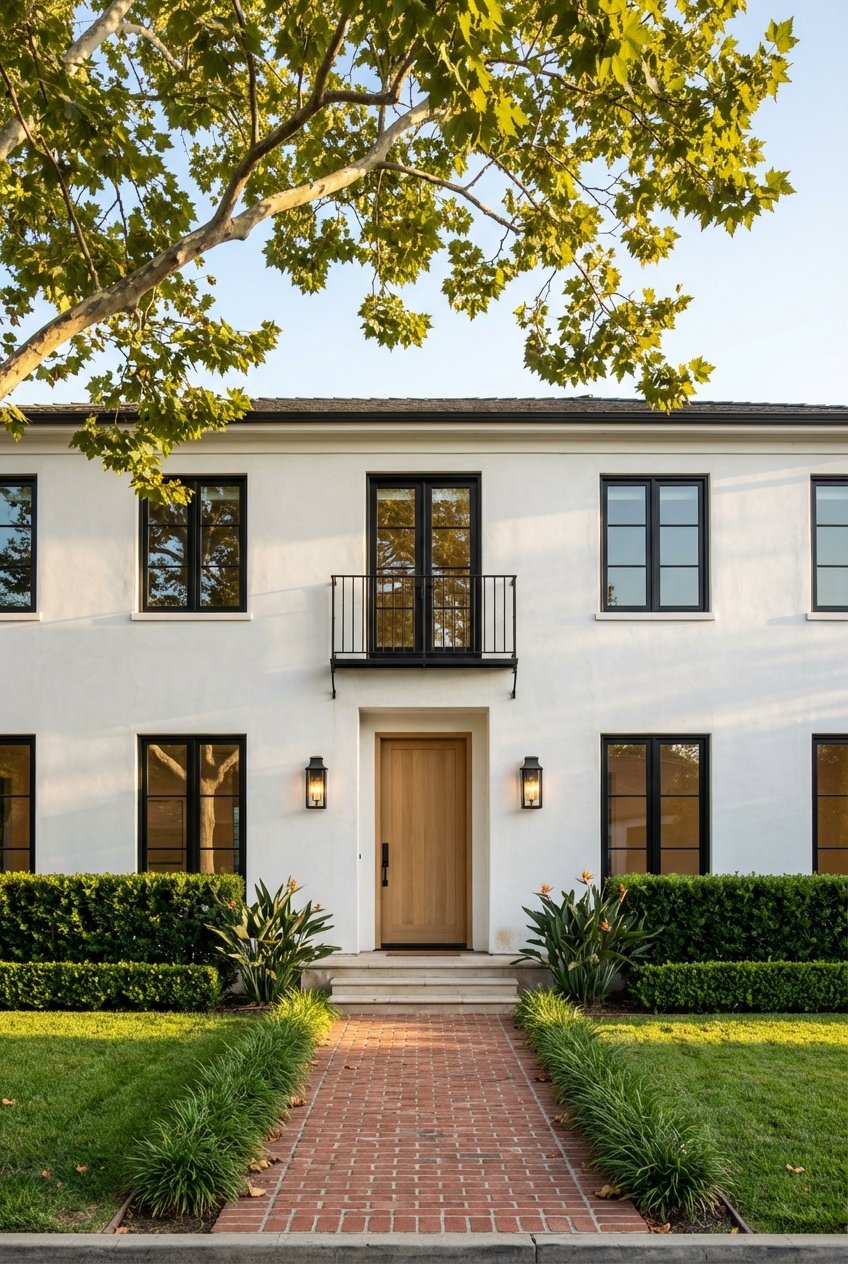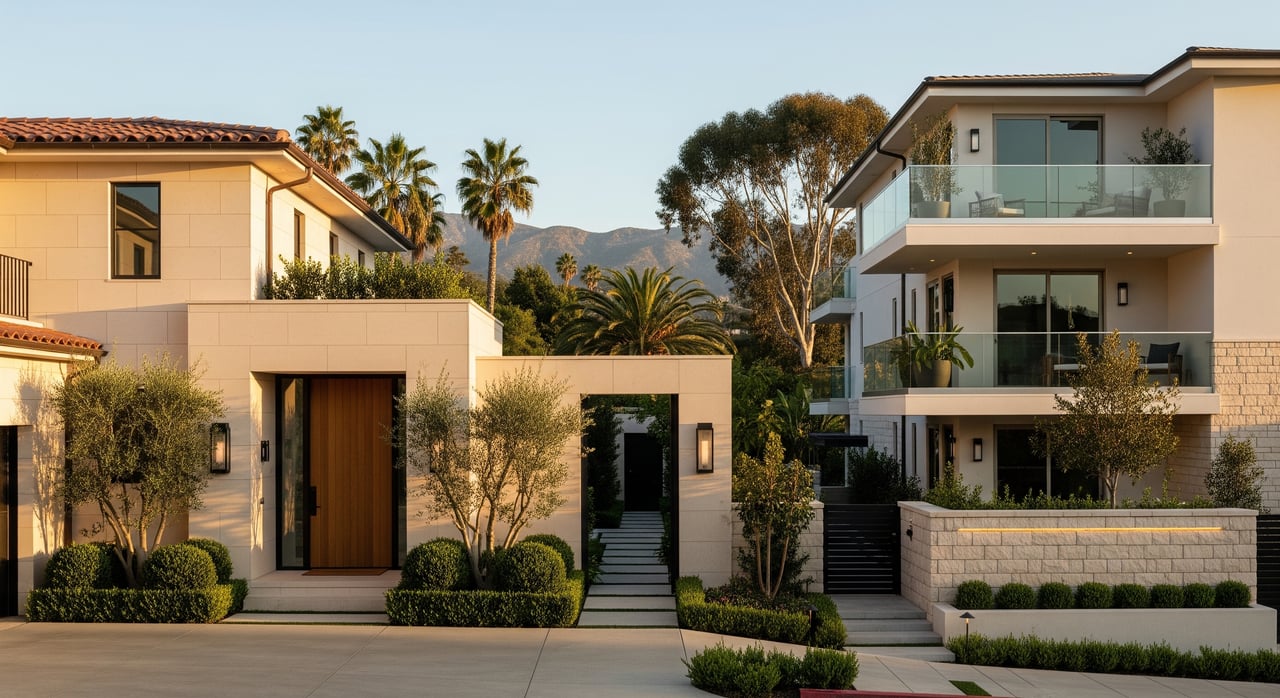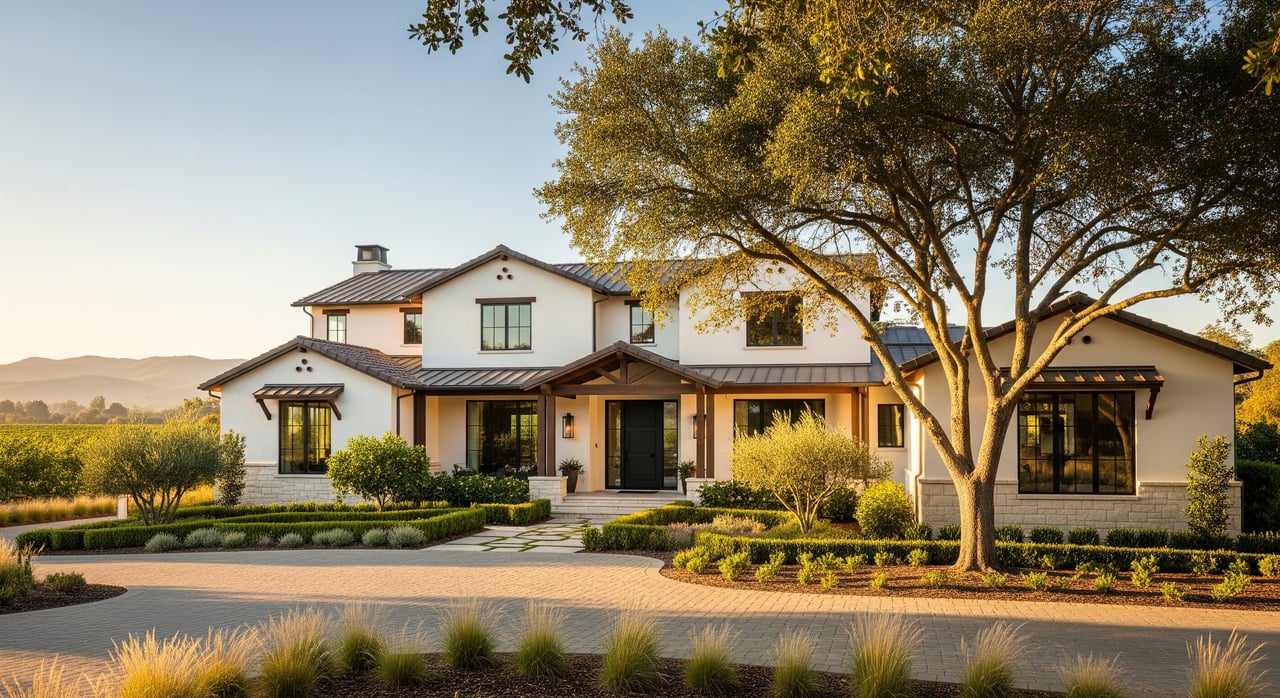
Thinking about more space and value without leaving the Bay Area? Brentwood in Contra Costa County offers newer homes, planned communities, and room to grow. If you are curious about what to expect, you are not alone. In this first look, you will learn the home types you will see, how the purchase process works in California, what strengthens your offer, and how to evaluate streets and pockets before you commit. Let’s dive in.
What you will see in Brentwood homes
Brentwood’s market is built around single-family homes. You will find many newer subdivisions with builder amenities, community parks, and homeowners associations. Older homes cluster near the historic downtown, with a smaller share of mid-century properties than you might see in older East Bay cities.
On the edges, you may see larger lots and some rural or semi-rural parcels. These can feel private and open, but they may involve wells and septic systems, which changes your inspection and permitting needs. New-build phases can also create inventory spikes, so timing can matter. For insight into active developments and road projects, review the City of Brentwood planning pages.
Value tradeoffs to consider
Many buyers choose Brentwood for a larger home and lot compared with closer-in Westside and San Francisco neighborhoods. Balance that value with commute time and Highway 4 traffic patterns. Visit at rush hour and in the evening to see how the drive feels for you.
In newer subdivisions, plan for HOA rules and community amenities. Also account for potential Mello-Roos or other special taxes that add to your annual costs. These assessments are not optional and should be confirmed during due diligence.
Your step-by-step purchase timeline
Buying in Brentwood follows standard California practice. Here is a simple path to keep you on track.
1) Pre-offer preparation
- Get a fully underwritten lender pre-approval. Your letter should show loan type and amount.
- Prepare proof of funds for your down payment and closing costs. Redacted statements or a lender verification letter usually work.
- Choose a buyer’s agent who knows East Contra Costa norms, Mello-Roos disclosures, and local negotiation expectations.
2) Writing and submitting your offer
Offers typically use California Association of REALTORS forms. Your offer will state price, financing, earnest money deposit, requested escrow length, and any contingencies or credits. Your agent will package your pre-approval and proof of funds, then submit on your behalf with clear timelines.
3) Key milestones after acceptance
- Earnest money deposit: Typically due to escrow within a few days of acceptance, per contract.
- Inspections: Ordered during your inspection contingency period, often 10 to 17 days, but negotiable.
- Appraisal and loan processing: Your lender orders the appraisal while underwriting reviews your file.
- Closing: Most escrows run about 30 to 45 days in California, though you can negotiate shorter or longer.
Exact timelines depend on your contract terms. Your agent will track each deadline so you can make informed decisions.
Offer strategy and showing etiquette
Private showings by appointment are common for Brentwood single-family homes. Some sellers request proof of pre-approval or funds before allowing a showing, especially on high-interest listings. Be ready to share a concise, redacted proof-of-funds document through your agent.
Earnest money deposits often range from 1 to 3 percent of the purchase price. A larger deposit can show commitment. Clean offers with shorter or fewer contingencies can be more competitive, but only remove protections you fully understand. Your inspection, appraisal, and loan contingencies are your safety net, so discuss tradeoffs with your agent and lender.
Appraisals can lag in fast-changing markets. If values move quickly, plan for how you would handle a potential appraisal gap. Keep communication fast and complete, since sellers may set short response windows for offers.
How to evaluate streets and pockets
Go beyond the home itself. Use this checklist to understand the immediate area and any added costs or risks.
- Traffic and commute: Visit weekday mornings, afternoons, and evenings. Pay attention to Highway 4 and key local connectors.
- Schools: Verify current attendance boundaries and review public data rather than relying on hearsay. Use resources like GreatSchools to understand available information and find district links.
- Planned growth: Check the City of Brentwood planning pages for new subdivisions, commercial projects, and road work that could affect noise, traffic, or future amenities.
- Flood and drainage: Confirm whether the property sits in a mapped flood zone. The FEMA Flood Map Service Center is a reliable starting point. Review seller disclosures for any past drainage or water issues.
- Utilities and systems: Most in-city homes use municipal water and sewer. Rural or edge parcels may have private wells and septic systems. If so, plan specialized inspections and permit checks.
- Noise and nuisances: Drive by during evenings and weekends. Note proximity to highways, commercial zones, or rail lines.
- Zoning and future use: Confirm parcel zoning and permitted uses with the city. Zoning impacts ADU potential, setbacks, and nearby development.
- Property taxes and Mello-Roos: Base property tax in California is around 1 percent, but special assessments can raise the effective rate. Check the preliminary title report and county tax bill for Community Facilities District obligations.
Inspections to budget for
Your inspection plan should match the home’s age, systems, and location. Here is a common lineup in Brentwood:
- General home inspection to identify broad issues.
- Termite and pest inspection, which is common across Contra Costa County.
- Roof evaluation, especially on older roofs or if prior repairs are noted.
- Sewer line scope for older homes, particularly near downtown.
- Well and septic inspections for rural or semi-rural parcels.
- Geological or grading review for large lots or significant slopes.
Inspection results often lead to repair requests, seller credits, or price adjustments. Build time into your contingency periods so you can review findings without rushing.
Quick buyer document checklist
- Underwritten lender pre-approval letter showing loan type and amount
- Proof of funds for down payment and closing costs, with account details redacted
- Government-issued ID for escrow and closing
- Contact info for your lender and agent, plus readiness to wire your earnest money
Trusted local resources
Use these authoritative sources to verify details and get current context:
- City of Brentwood planning and building updates: review active developments, road projects, and permits at the City of Brentwood planning pages.
- Market statistics and comps: consult the Contra Costa Association of REALTORS for local data and MLS insight.
- Contract forms and statewide guidance: explore California Association of REALTORS forms and consumer resources.
- Flood risk checks: confirm a property’s flood zone at the FEMA Flood Map Service Center.
- School information: review school data and district links through GreatSchools.
- Property tax and assessment lookups: verify current tax rates and special assessments using county tax assessor records.
Final thoughts
Buying in Brentwood can deliver space, newer construction, and community amenities that are hard to find closer in. The key is to prepare up front, tailor your offer to local norms, and evaluate each street with the same care you give the house. With the right plan, you can move confidently from your first tour to a smooth closing.
If you are a Westside buyer planning a Bay Area move or a second-home purchase, and you want discreet, high-touch guidance, connect with Susan Stark Homes to align your timing, financing, and offer strategy. Request a Private Consultation.
FAQs
What types of homes are most common in Brentwood, Contra Costa County?
- Single-family homes dominate, especially newer builder communities with HOAs, plus some older homes near downtown and larger lots on the city’s edges.
How long does a typical home purchase take in California?
- Many escrows close in about 30 to 45 days, with inspection and appraisal timelines set by your contract and negotiated with the seller.
What is a normal earnest money deposit in Brentwood?
- A common range is 1 to 3 percent of the purchase price, deposited to escrow soon after offer acceptance as set in the contract.
Do newer Brentwood neighborhoods have Mello-Roos taxes?
- Many newer subdivisions include Mello-Roos or other special assessments that increase your annual costs, so confirm them on the tax bill and title report.
How do I check if a Brentwood property is in a flood zone?
- Look up the address on the FEMA Flood Map Service Center, then review seller disclosures for any drainage or water-related history.
Which inspections should I plan for when buying in Brentwood?
- Start with a general home and termite inspection, then add roof, sewer scope, well and septic, or geological reviews as the property requires.